 By Groupizo Editorial Team✓ Verified
Good study WhatsApp groups are not magic shortcuts. They work when members share notes, deadlines, links to official material, and quick explanations without turning the chat into spam.
That matters in India and Pakistan because students often prepare across boards, schools, coaching centers, and private notes. DataReportal reported 500 million active social media user identities in India in its Digital 2026 India report, while its Digital 2026 Pakistan report estimated 79.9 million social media user identities in Pakistan. Those numbers do not prove every student uses WhatsApp for study, but they explain why mobile-first study communities are common.

If you want education-based communities, the Education groups category is the cleanest starting point. For country-specific browsing, use India WhatsApp Groups or Pakistan WhatsApp Groups instead of joining random links from comment sections.
A useful study group has a narrow purpose. One group for Class 12 physics notes is easier to follow than one giant group for every exam, every subject, and every board.
The best study groups reduce confusion. They do not add more noise to a student who is already under pressure.
For Indian students, NCERT provides textbooks for classes I to XII through its official textbook portal. A good group should point students to that kind of source instead of forwarding blurry screenshots with no context.
Indian students may be following CBSE, ICSE, state boards, NEET, JEE, CUET, or school-level tests. Pakistani students may follow FBISE, Punjab boards, Sindh boards, KPK boards, A levels, MDCAT, ECAT, or university entrance systems.
That is why "all students study group" is usually too broad. A better name or listing would say "CBSE Class 12 Biology," "FBISE HSSC Physics," or "Punjab Board 2nd Year Chemistry."
CBSE publishes sample question papers and marking schemes on its official sample paper page. FBISE also lists model papers and assessment material through its curriculum and model paper page. These are the kinds of links a serious group should prioritize.
A study group is stronger when it respects the exact board, class, subject, and exam cycle. Otherwise, students waste time sorting through material that does not apply to them.
Before joining, look at the group name, category, description, and recent activity where available. If the group promises leaked papers, guaranteed marks, paid shortcuts, or unrealistic results, leave it alone.
One practical example: a group named "Class 12 Notes and Date Sheet Updates" is believable. A group named "100 Percent Board Paper Leak" is not just suspicious. It is a risk for students who may forward harmful rumors.
WhatsApp gives users control over who can add them to groups through group privacy settings. Students should use those controls, especially during exam season when spam groups increase.
If your target is exam-focused discussion, Exam Preparation is more useful than a broad entertainment group.
Study chats can become addictive if every notification feels urgent. Set a time to check the group. Save useful files. Mute the chat during deep study. Ask questions clearly and share answers when you can.
Use the group as a support tool, not as your study plan. Your textbook, syllabus, teacher, and official board updates still matter more than random forwarded notes.
A simple routine works well: check the group once in the morning for updates, once after school or coaching, and once before night revision. That gives you the benefit without letting messages run your day.
Yes, when the group has a clear subject, active moderation, and useful material. They become harmful when they turn into spam, rumors, or fake exam leak groups.
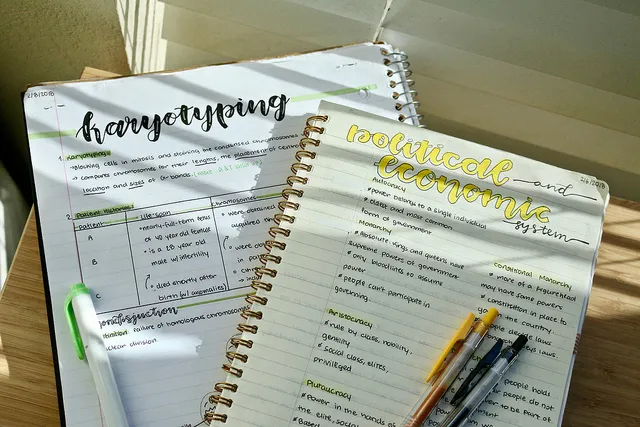
Not blindly. Use shared notes as support, then compare them with textbooks, teacher guidance, and official board material.
Join through a trusted directory, school contact, teacher, or known classmate. Do not share personal documents, OTPs, payment details, or private family information inside study groups.