 By Groupizo Editorial Team✓ Verified

An English speaking WhatsApp group is useful only when people actually speak, not when the chat becomes a dump for grammar screenshots. That sounds obvious, but many learners join huge groups and then stay silent for weeks. The better habit is smaller: send one voice note, answer one question, and correct one sentence every day.
The point is not to sound fluent on day one. The point is to build the nerve to speak when your sentence is not perfect. British Council has a full speaking practice area with level based activities, and that is a good reminder that real speaking improves through repeated situations, not random memorizing. British Council speaking practice gives learners examples for everyday conversations.

If you want local or global practice rooms, the Education groups section can help you explore study based communities, while English Speaking is more direct when you want conversation focused groups.
A good group is not noisy all day. Actually, let me put that differently: a useful group has a pattern. Members know when to post voice notes, what kind of feedback is welcome, and which topics are off limits. Without that structure, even a friendly chat turns into forwarding, jokes, and dead silence.
Look for groups that use simple daily prompts. For example, Monday can be self introduction practice, Tuesday can be job interview answers, and Wednesday can be pronunciation correction. Cambridge English explains CEFR as an international way to describe language ability from A1 to C2, so a group that clearly says beginner, intermediate, or advanced is easier to join without embarrassment. Cambridge English CEFR guidance is a useful reference here.
The best signal is not the member count. It is the quality of replies. If people correct each other kindly and explain why a sentence sounds better, the group has real learning value.
WhatsApp groups can be helpful, but they are still shared spaces. Your phone number may be visible to other members, so do not treat a public practice group like a private classroom. Keep your display name simple, avoid sending your location, and never share ID documents, payment details, or private family information.
WhatsApp says personal messages and calls are protected with end to end encryption, but group membership itself still depends on who is inside the group and how people behave. Read the platform privacy basics before joining open communities. WhatsApp privacy features explain what is protected and what still requires user judgment.
Also check your group privacy setting. WhatsApp lets users control who can add them to groups, which matters if you are joining several learning chats. WhatsApp group privacy settings show how to limit unwanted group additions.
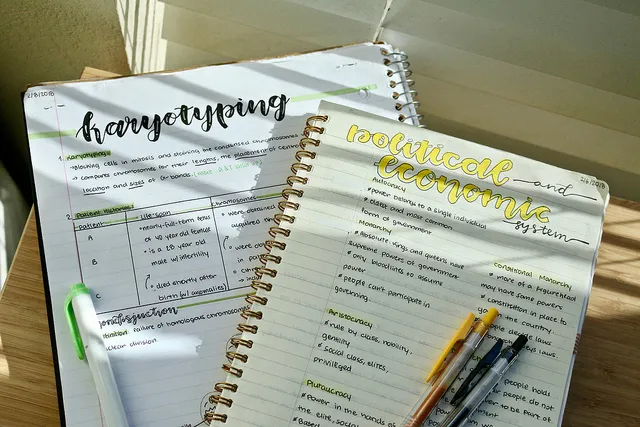
Here is a routine that works because it is small. Send a 30 second voice note about your day. Listen to one other learner and reply with one correction or one question. Write three new words from the discussion in your notes app. Repeat it tomorrow.
BBC Learning English publishes regular lessons and videos for learners, so you can use one short lesson as a daily topic inside a group. BBC Learning English is especially useful when a group needs clean discussion prompts.
If you are based in South Asia and want study style groups, Pakistan WhatsApp Groups and India WhatsApp Groups can be useful starting points, but do not join any group that asks for payment before you can see basic rules.
Many are free, but free does not always mean useful. A free group with daily speaking rules is better than a paid group that only forwards old PDFs.
Yes, but beginners should look for A1 or basic practice groups. A fast advanced group can make new learners quiet, which defeats the purpose.
Use voice notes for learning, but keep the content safe. Practice with normal topics like school, work, travel, food, or daily routine. Do not share private details to prove fluency.